
Plan a wholesale baby toy range around cartons, not units: pick SKUs whose MOQ divides cleanly into a full outer carton, then size your test order as a small number of whole cartons per SKU so you can measure sell-through before committing to a container. The single most expensive beginner error is ordering to a round unit number — say 500 pieces — without checking the carton pack quantity, then discovering the factory ships 520 or 480 and your landed-cost per unit no longer matches the plan. Carton quantity, carton dimensions and CBM drive freight, pallet utilisation and warehouse slotting just as much as unit price does.
MOQ, carton quantity, carton dimensions, CBM, unit price bands, packaging mix, sample approval and repeat-order timing all belong in one purchase plan. Below: a planning table for a test order versus standard replenishment versus a mixed-carton discussion, a step checklist with questions to ask factories, the pitfalls that quietly kill margin, and an FAQ. Every unknown is labelled To confirm.
Key Takeaways
- Treat MOQ and carton quantity as one constraint, not two: if the MOQ is 144 and the carton holds 48, your minimum viable order is 3 cartons, and any quantity between 144 and 191 still ships as 3 cartons — confirm the actual pack quantity and carton dimensions before you build the PO.
- CBM is calculated from measured outer-carton dimensions and must be recalculated whenever carton size or pack quantity changes; an unmeasured carton is an unpriced carton.
- A test order should be small in SKUs and whole cartons per SKU, not small in cartons spread across twenty styles — you need enough units per style to read sell-through, and enough of each carton to load and label correctly.
- Approve a physical sealed golden sample, not a photo or a fair booth hero unit. Bulk is compared against that physical piece for colour, fit, flash and function; buyers who approve only a photo pay for it on the second lot.
- Incoterms define when risk transfers between seller and buyer; they do not define product-safety compliance or who owns the test reports — put compliance ownership in the PO, not in the Incoterm.
How do MOQ and carton quantity actually interact?
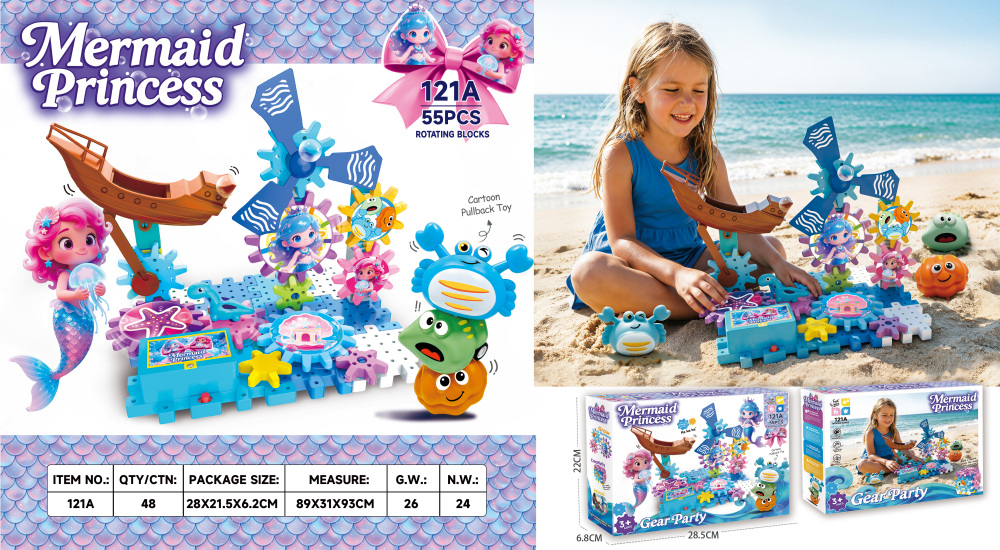
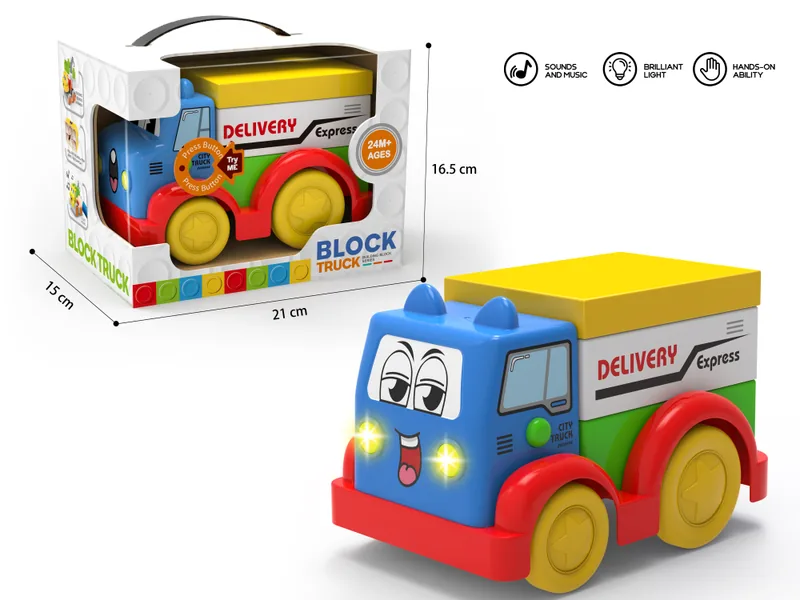
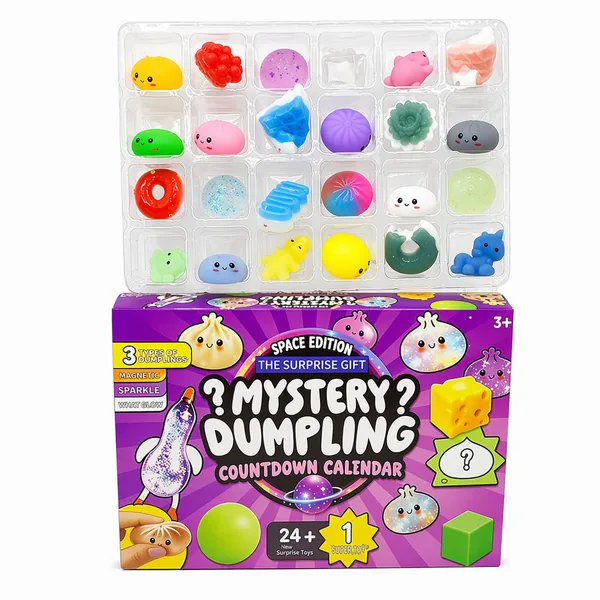
MOQ is the smallest quantity a factory will run for a given SKU and packaging configuration; carton quantity is how many units fit in one outer carton. The orderable quantity is the higher of the MOQ and the nearest whole number of cartons — so a 144-piece MOQ with a 48-piece carton means 3 cartons minimum, and a 240-piece MOQ with a 60-piece carton means 4 cartons minimum.
This matters because buyers often negotiate the unit price down and forget that the carton is the shipping unit. If you order 150 pieces against a 48-piece carton, you may receive 4 cartons (192 pieces) or a mixed carton, and the CBM you quoted to your freight forwarder will be wrong. Ask for the pack quantity, the carton dimensions and the net/gross weight in writing before you compare quotes.
Custom packaging, colourways or branding usually raise the MOQ because the factory has to run a separate print or assembly batch. Standard packaging keeps the MOQ at the catalogue level; a custom printed box or a private-label insert typically pushes it up — To confirm the exact uplift per SKU.
Test Order vs Standard Replenishment vs Mixed-Carton
| Test order — purpose | Prove sell-through and check quality on a small number of styles before scaling. |
|---|---|
| Test order — quantity logic | Whole cartons per SKU at or just above the SKU MOQ; keep the SKU count low, e.g. 3–5 styles. |
| Test order — MOQ posture | At or near the catalogue MOQ; expect the weakest unit-price band. |
| Test order — freight | Often LCL or consolidated; CBM is small but per-unit freight is high. |
| Test order — risk | Higher per-unit landed cost; lower total capital at risk. |
| Standard replenishment — purpose | Restock proven SKUs at a predictable cadence. |
| Standard replenishment — quantity logic | Whole cartons or full pallets, sized to your sell-through rate and reorder lead time. |
| Standard replenishment — MOQ posture | Well above MOQ; ask for the next unit-price band and confirm what triggers it. |
| Standard replenishment — freight | FCL or larger LCL; CBM efficiency improves, per-unit freight drops. |
| Standard replenishment — risk | Capital tied up in stock; forecast error becomes dead inventory. |
| Mixed-carton discussion — purpose | Test several styles without a full carton of each. |
| Mixed-carton discussion — quantity logic | One carton containing assorted SKUs, or an assorted master carton. |
| Mixed-carton discussion — MOQ posture | Usually requires the total to meet a higher mixed-order MOQ; To confirm per supplier. |
| Mixed-carton discussion — freight | CBM similar to a standard carton, but picking and labelling complexity rises. |
| Mixed-carton discussion — risk | Barcode, label and tracking-label errors are more likely; line clearance matters. |
Step-by-step: build the range plan before you request a quote
Set the commercial frame first. Decide your target retail price, your target landed cost per unit and the number of SKUs you can realistically merchandise. Ask the factory: "What is the MOQ for this SKU in standard packaging, and what is the pack quantity per outer carton?" Write both numbers down; they define your minimum order.
Then get carton dimensions and calculate CBM. Request outer-carton length, width, height, net weight and gross weight for each SKU, then calculate CBM per carton and per ordered quantity. Ask: "Are these dimensions measured from the production carton, or estimated?" Carton CBM is derived from the measured outer-carton dimensions and should be recalculated when carton size or pack quantity changes.
Map unit price bands to quantity. Ask: "What quantity breaks the price, and what is the price at each break?" Do not assume a smooth curve; factories quote discrete bands. Convert each band to a landed cost using your CBM and freight estimate, then compare bands on margin, not on unit price.
Decide the packaging mix. Standard polybag, printed colour box, blister or gift box each change cost, MOQ and carton dimensions. Ask: "What changes in MOQ, carton size and lead time if we move from standard packaging to a printed box?"
Approve a physical sample. Buy a sealed golden sample and keep it on your side. Ask: "Will bulk be compared against this sealed sample for colour, fit, flash and function?" A drawing or 3D-model revision should be linked to the tooling, FAI, test sample and production order so an old file cannot silently return to use.
Plan the repeat-order timing. Ask: "What is the production lead time from PO and deposit, and what is the reorder lead time if the artwork is unchanged?" Build your reorder point so the next batch lands before you run out, not after.
Lock compliance and labels into the PO. Ask: "Which test reports come with this SKU, who owns them, and how are the tracking label, manufacturer, date and lot marked on the product or pack?" Incoterms define when risk transfers; they do not define product-safety compliance or ownership of test reports.
Worked example (illustrative, not a real shipment)
A buyer plans a first baby toy range with 4 SKUs and two destinations: a US e-commerce warehouse and an EU retail distributor. Each SKU is ordered as whole cartons just above its MOQ. The US cartons carry a retail barcode and a tracking label with manufacturer, date and lot; the EU cartons need different labelling and a different packaging language. The buyer quotes freight on the CBM from the factory's stated carton dimensions.
The hold-up happens before loading: the EU cartons were packed to the US carton specification, so the label content and packaging text do not match the EU destination. The shipment is held at the consolidator while the factory re-labels, and the original CBM no longer matches the repacked pallet. Two destinations require two packaging specifications agreed before production, not after packing.
Which pitfalls quietly break a baby toy purchase plan?
Ordering a round unit number instead of whole cartons. The factory ships cartons, so your real quantity is a multiple of the pack quantity. Always reconcile the PO quantity to the carton multiple before you sign.
Quoting freight on estimated carton dimensions. Outer-carton dimensions affect cube, pallet utilisation, container loading and freight calculation, so the final carton must be measured. If dimensions change after packing, your landed cost changes with them.
Approving a photo instead of a sealed sample. A booth sample is often a hero unit, and fair lighting lies. The revision card and the sealed golden sample are the standard, not the photo.
Ignoring line clearance on multi-SKU orders. A new SKU can start with the last SKU's labels still in the hopper. Ask how the factory clears labels, colours and work instructions between runs.
Assuming the Incoterm covers compliance. It does not. Put test-report ownership, tracking-label content and certification responsibility in the PO.
Letting the old drawing survive. If a revision is not linked to tooling, FAI, test sample and production order, an obsolete file can return to the line.
What should you ask suppliers before quoting? (RFQ checklist)
Send these as written questions and keep the answers attached to the SKU file.
MOQ: What is the MOQ for this SKU in standard packaging, and what is the MOQ with custom packaging?
Carton: What is the pack quantity, outer-carton length × width × height, net weight and gross weight? Are the dimensions measured or estimated?
Price bands: What quantity breaks the unit price, and what is the unit price at each break?
CBM: What is the CBM per carton and per the requested order quantity?
Samples: Can you provide a sealed golden sample, and will bulk be compared against it for colour, fit, flash and function?
Lead time: What is the production lead time from PO and deposit, and the reorder lead time with unchanged artwork?
Compliance: Which test reports apply, who owns them, and how are manufacturer, date and lot marked on the product or pack?
Mixed cartons: Can you ship an assorted carton, what is the mixed-order MOQ, and how are barcodes and labels handled per destination?
What changes in 2026 for toy compliance planning?
Regulatory timelines should be read in three states: entered into force, actually applies to this product category, and not confirmed from official text. A directive entering into force is not the same as the date it applies to baby toys on your shelf.
Where an official source does not state an application date, write "timeline is not confirmed from official text" in your plan and do not treat a consultant or lab article title as a legislative timetable. Digital Product Passport requirements, GPSR and the Toy Safety Directive are separate regimes with separate deadlines — do not merge them into one date in your PO or packaging brief. Confirm the current position for your destination market with your compliance adviser before you print packaging.
FAQ
How do I convert a baby toy MOQ into a shippable order quantity?
Divide the MOQ by the carton pack quantity and round up to the next whole carton. If the MOQ is 144 and the carton holds 48, your minimum shippable order is 3 cartons (144 pieces); if the carton holds 50, the nearest whole-carton quantity above the MOQ is 150. Confirm the pack quantity in writing before you build the PO.
Should I order a test order or go straight to a full container?
Start with a test order when the SKU is unproven: few styles, whole cartons per style, at or near MOQ. Move to standard replenishment once sell-through is known and you can forecast a reorder cadence. A full container on unproven styles converts forecast risk into dead inventory.
How do carton dimensions and CBM affect my landed cost?
Carton dimensions set the CBM, which sets how many cartons fit on a pallet and in a container, which sets your freight per unit. Ask for measured outer-carton dimensions and recalculate CBM whenever carton size or pack quantity changes; unmeasured cartons are unpriced cartons.
Can I mix SKUs in one carton to lower my minimum order?
Sometimes, but a mixed carton usually requires the total order to meet a higher mixed-order MOQ, and it raises barcode, label and tracking-label complexity. Ask what the mixed-order MOQ is and how each destination's labels are handled before you plan a mixed-carton test.
What should I approve before mass production starts?
Approve a sealed physical golden sample, not a photo. Bulk should be compared against that piece for colour, fit, flash and function, and the approved revision should be linked to the tooling, FAI, test sample and production order so an obsolete file cannot return to the line.
Does the Incoterm decide who is responsible for toy compliance?
No. Incoterms define when risk transfers between seller and buyer; they do not define product-safety compliance or ownership of test reports. Put compliance responsibility, test-report ownership and tracking-label content in the purchase order regardless of the Incoterm.
Explore the range and request an RFQ
Use the Mini Engineering Magnetic Rods record as a carton-planning example, then browse the full catalog and read how to buy before sending the RFQ form with your destination and quantity.
Request a Quote
Ready to build the plan? Start with the carton: request pack quantity, measured outer-carton dimensions and CBM per SKU, then match those to your MOQ and target landed cost. Browse the baby and educational toy range at /catalog/, review the collection pages for building sets, sensory and educational SKUs, read the ordering process at /how-to-buy/, and send your SKU list, destination market and packaging requirements through /quote/.