Custom baby toys
Make the idea specific.
Use a reference, play action, material direction and market to define what should be explored first.
OEM / ODM · private label
Share the idea, market and pack direction. We will help you understand the next decision before you commit to a full development path.
Reviewed by the BabyToyBulk sourcing desk · Updated 2026-09-11 · Product-level facts are confirmed by SKU and destination market.
Direct answer
Start with the target category, age band, reference image or sketch, estimated quantity, destination market, packaging direction and any private-label requirements. That information lets the team separate a feasible development question from a detail that still needs confirmation.
OEM / ODM
From a logo-ready pack to a new shape direction, start with the information needed to assess the idea clearly.
Custom baby toys
Use a reference, play action, material direction and market to define what should be explored first.
Private label
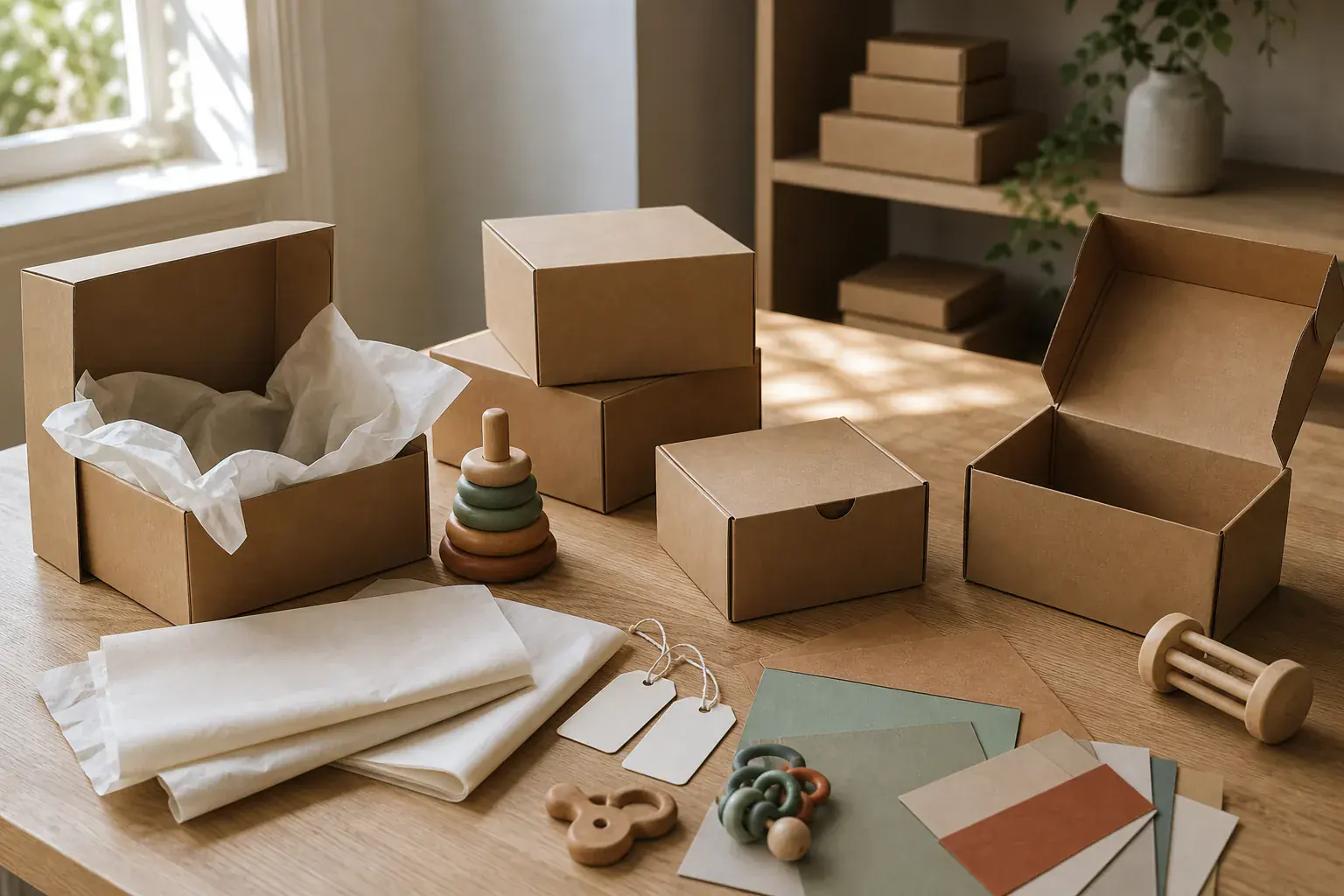
Bring brand, language, labeling and retail-channel requirements into the conversation before approval.
Range planning
Plan a consistent color, pack and category story across selected SKUs without forcing every product into one mold.
Browse categories · Review factory workflow · Send an OEM request
Buyer answer
An OEM toy brief should turn an idea into decisions a supplier can review without guessing. State the product direction, observable play action, target customer, destination market, sales channel, quantity, timing and packaging format. Add the reference image or sketch, preferred material, target dimensions, artwork inputs, language, barcode ownership and sample rounds. Ask which changes affect tooling, MOQ, unit price, carton planning or lead time. Keep must-have requirements separate from flexible ideas and maintain a written change log from reference sample to approved production file. This protects the buyer's brand while making feasibility, quotation and document questions easier to answer.
Comparison table
Use the table as a handoff between purchasing, merchandising, quality and logistics.
| Area | Buyer question | Record to keep |
|---|---|---|
| Concept | Reference, play action, size, material and flexible features | Feasibility note |
| Brand | Logo, artwork, language, barcode and label owner | Approved pack brief |
| Development | Sample rounds, tooling questions and change log | Versioned approval |
| Commercial | MOQ, target quantity, FOB basis and carton plan | Written quotation |
| Market | Care, labels and available product documents | Destination review |
Approval checklist
Who / how / why
Who: BabyToyBulk sourcing desk. How: the page combines the published SKU fields, network-level process references and official market guidance linked on the site; unknown values stay To confirm. Why: to help a professional buyer prepare a clear inquiry and approval record, not to substitute for a signed quotation or qualified compliance advice.
Customer testimonials, named case studies and product certificates are not published here until they are verified for the relevant project.
FAQ
Answers are starting points; confirm the selected SKU, order and market in writing.
Yes. Share the SKU and the changes you want, such as colour, shape, pack or branding. Feasibility, MOQ, price and timing are reviewed per project.
Private label usually starts with an existing direction and branded packaging; OEM can include product changes or a new development brief. The project record defines the scope.
The number of rounds depends on the concept, materials, tooling and approval process. Request a sample schedule rather than assuming a fixed count.
Use the inquiry form to start the conversation and ask the team for the agreed channel and file-handling process before sending confidential material.
OEM / ODM evidence
The service references below are starting points. Feasibility, tooling, packaging, testing and timing are confirmed for each project.
Development path
The documented service path includes customer-supplied references, private-label production, color changes, functional adjustments and original product development.
Sample reference
The source company profile describes a typical sample window of 7–15 days; custom tooling, materials and approvals can change the timing.
Lead-time reference
The current network profile lists 25–35 days as a reference after the project is defined; timing is confirmed after the approved sample, packaging and order plan.
MOQ reference
The current network profile uses 480 units as a starting reference; final MOQ changes by SKU, material, color, packaging and production plan.
OEM / ODM context
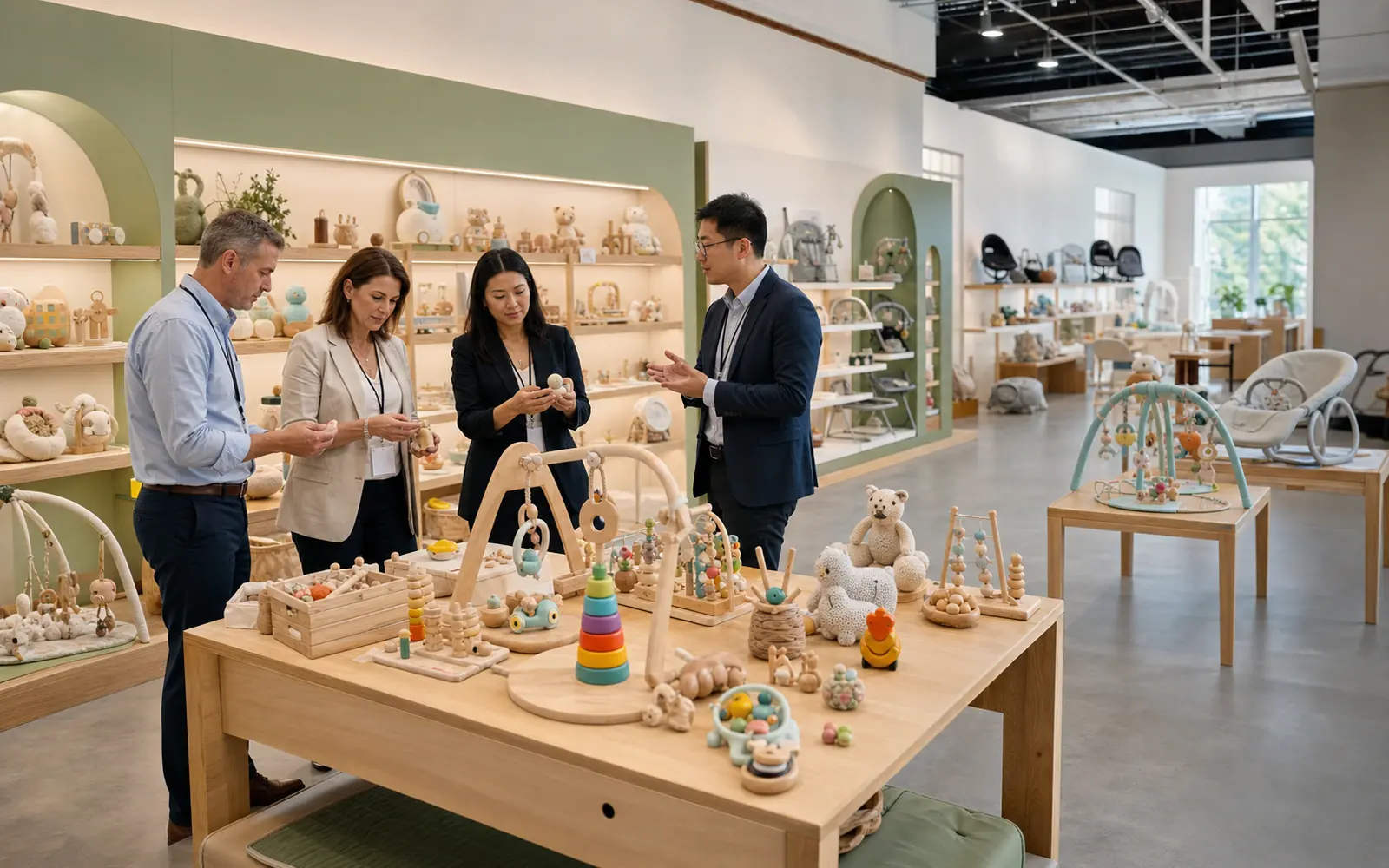
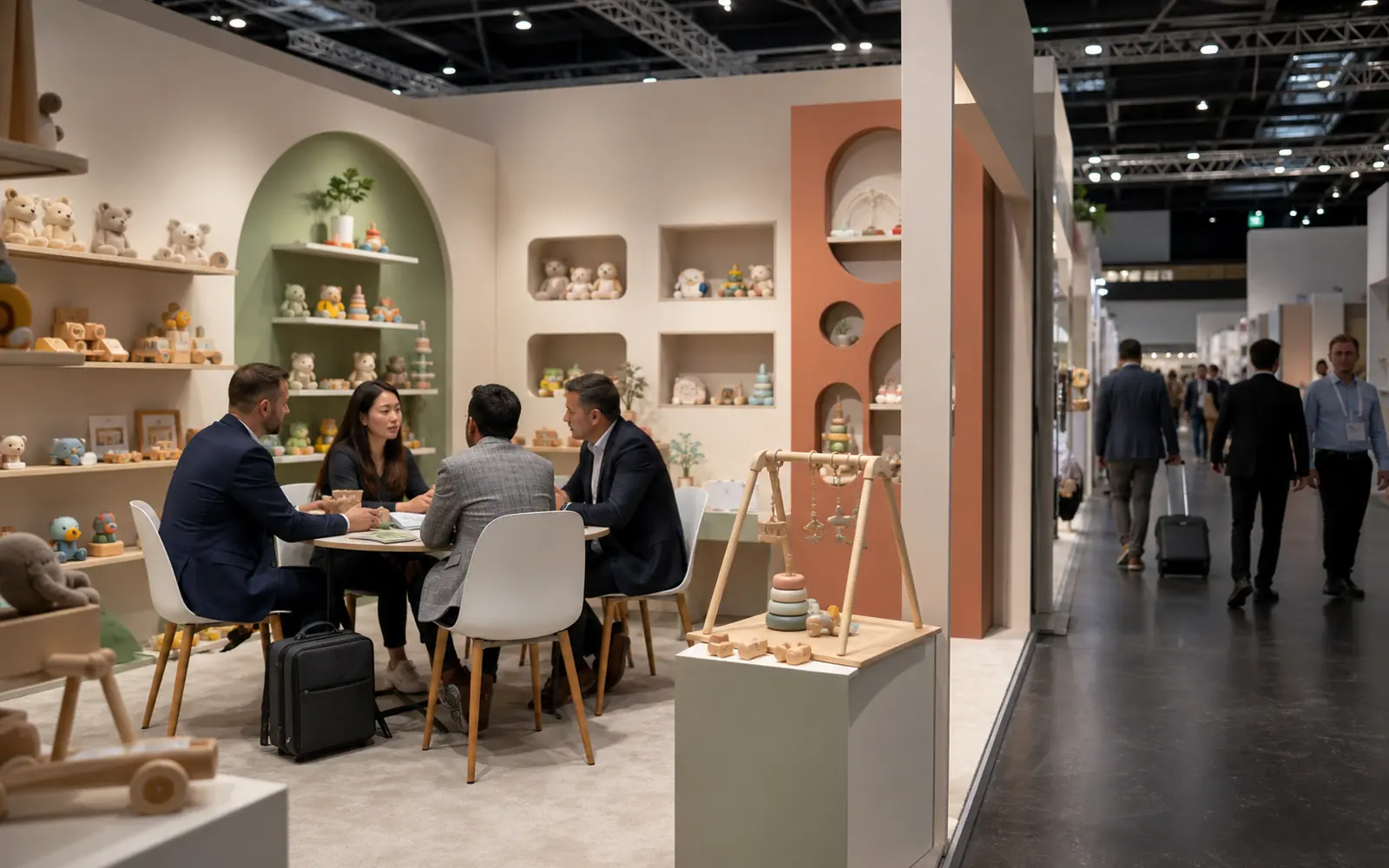
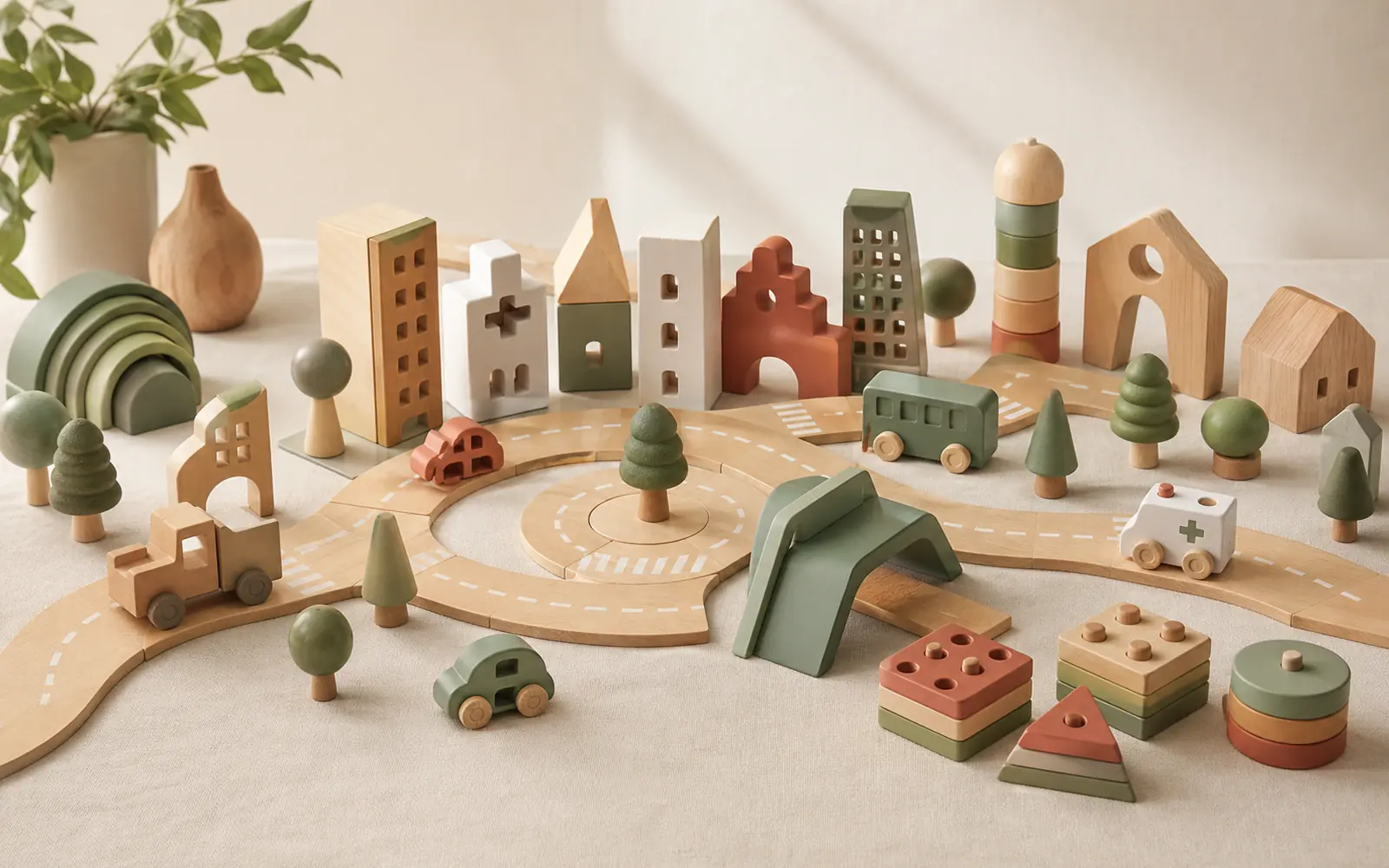
A showroom, trade conversation and generic city-play concept can help shape a range brief without implying a live SKU or client project.