MOQ by SKU
Compare the real quantity.
MOQ can vary by selected SKU, material, color, packaging and production plan. Ask for the quantity that matches the range you are actually building.
Wholesale · B2B sourcing
A practical path from category idea to an approved baby-toy assortment, with MOQ, FOB and packaging conversations in the open.
Reviewed by the BabyToyBulk sourcing desk · Updated 2026-09-11 · Product-level facts are confirmed by SKU and destination market.
Direct answer
Send the category, target market, estimated quantity, age band and packaging direction. BabyToyBulk can then organize a practical discussion around selected products, MOQ, FOB, carton planning, lead time and available quality documents.
Wholesale workflow
Wholesale baby toys work best when product intent and delivery details are considered together. A short, specific brief helps a buyer compare the options that matter instead of collecting disconnected prices.

MOQ by SKU
MOQ can vary by selected SKU, material, color, packaging and production plan. Ask for the quantity that matches the range you are actually building.
FOB clarity
A quote should make the destination, pack assumption, carton plan and timing visible so the next comparison is fair.
Buyer readiness
Record the approved specification, documents and packaging direction so a future replenishment discussion has a clear reference.
Continue exploring
Browse baby toy categories · Plan a bulk baby toy order · Review baby teethers wholesale · Review the manufacturer workflow · Discuss OEM toys · Review safety and quality questions
Buyer answer
A useful wholesale baby toy quote connects the product record with the commercial assumptions that change the order. Name the selected SKU or collection, destination market, sales channel, target quantity and packaging direction first. Then ask the supplier to show MOQ, FOB basis, carton quantity, lead-time reference, sample steps and the document scope for that exact item. Keep confirmed values separate from estimates and mark missing fields To confirm. This makes a comparison useful for purchasing, merchandising, quality and logistics teams, and it gives a replenishment order a clear starting record.
Comparison table
Use the table as a handoff between purchasing, merchandising, quality and logistics.
| Area | Buyer question | Record to keep |
|---|---|---|
| Product fit | SKU, collection, material, dimensions and observable play action | Approved record and sample |
| Commercial | MOQ, currency, FOB basis, pack and carton quantity | Written quotation |
| Timing | Sample window, production reference and shipment plan | Dates confirmed by order |
| Market review | Labels, care language and available product documents | Destination-market review |
Approval checklist
Who / how / why
Who: BabyToyBulk sourcing desk. How: the page combines the published SKU fields, network-level process references and official market guidance linked on the site; unknown values stay To confirm. Why: to help a professional buyer prepare a clear inquiry and approval record, not to substitute for a signed quotation or qualified compliance advice.
Customer testimonials, named case studies and product certificates are not published here until they are verified for the relevant project.
FAQ
Answers are starting points; confirm the selected SKU, order and market in writing.
Send the category or SKU, destination market, sales channel, estimated quantity, packaging direction and timing. The team can identify the remaining product and commercial questions.
No. MOQ can change with the SKU, material, colour, packaging, carton plan and production schedule. Confirm it for the selected variant.
Use the same currency, pack assumption, carton basis, quantity, destination context and timing. Ask which values are confirmed and which remain estimates.
Use the inquiry form and include the product or collection, target quantity, destination market, packaging direction and requested timing.
Buying references
Reference values help frame an RFQ; final quantity, timing and shipping are confirmed by SKU, packaging, destination and order plan.
MOQ reference
The current network profile uses 480 units as a starting reference; final MOQ changes by SKU, material, color, packaging and production plan.
Lead-time reference
The current network profile lists 25–35 days as a reference after the project is defined; timing is confirmed after the approved sample, packaging and order plan.
Sample reference
The source company profile describes a typical sample window of 7–15 days; custom tooling, materials and approvals can change the timing.
Export options
The documented logistics conversation can compare full-container, consolidated, air and express options; the suitable route depends on volume, destination and timing.
Buyer settings
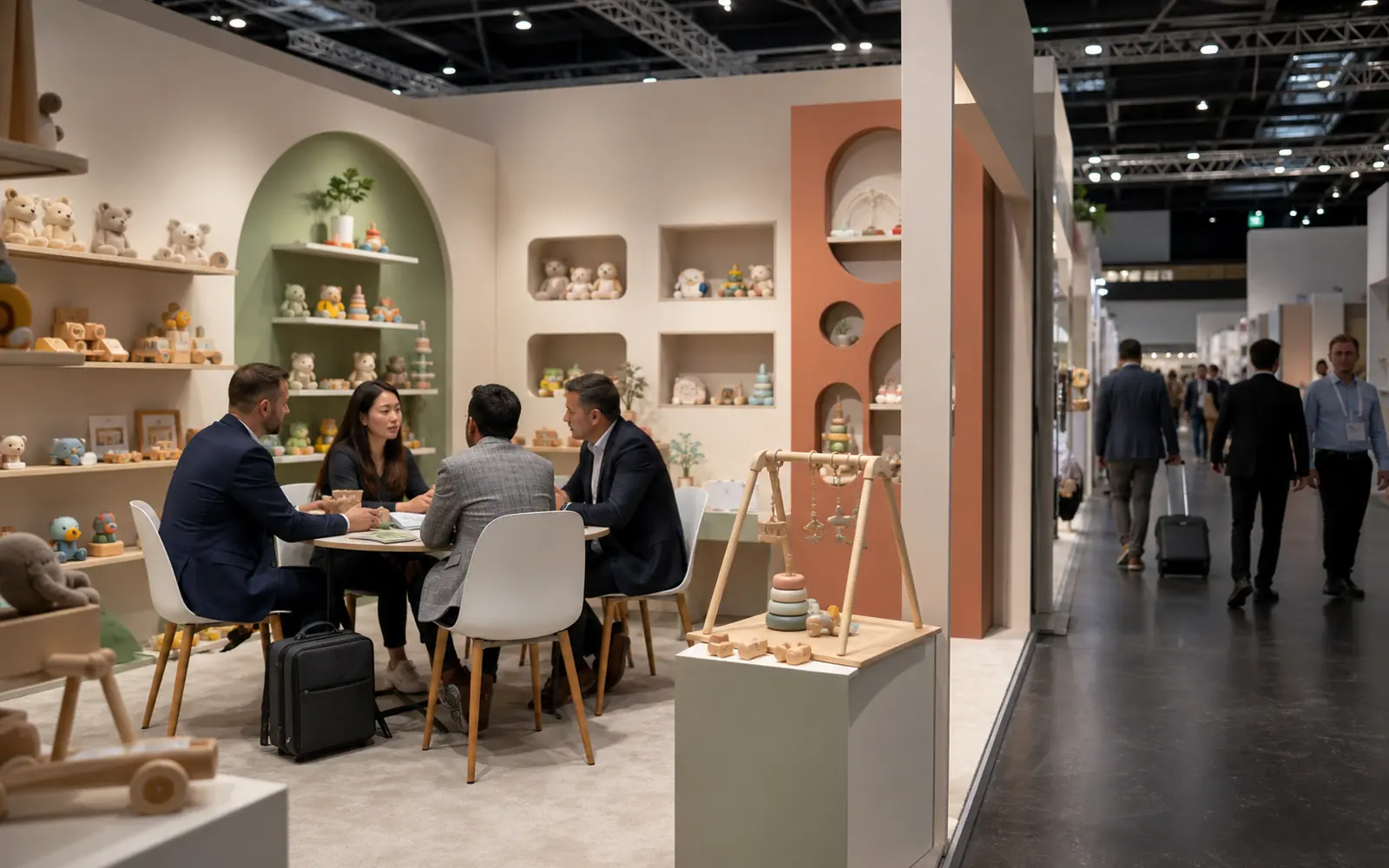
Retail, showroom, trade and outbound scenes are illustrative contexts for planning a wholesale range and its replenishment path.